premium glass bottle supply for commercial use
The Art of Glass Packaging: Transforming Your Brand Through Eco-Friendly Glass Bottles
The science of glass packaging presents brands with a unique avenue for differentiation. By embracing sustainable methods, glass bottles elevate brand aesthetics and connect with sustainability-minded shoppers. Their natural characteristics, such as recyclability and chemical inertness, reflect a dedication to quality standards. As brands navigate this evolving landscape, grasping the diverse advantages and obstacles of glass packaging is critical for sustained growth. What innovative strategies are brands employing to maximize these advantages?
Why Choose Glass Packaging for Your Brand
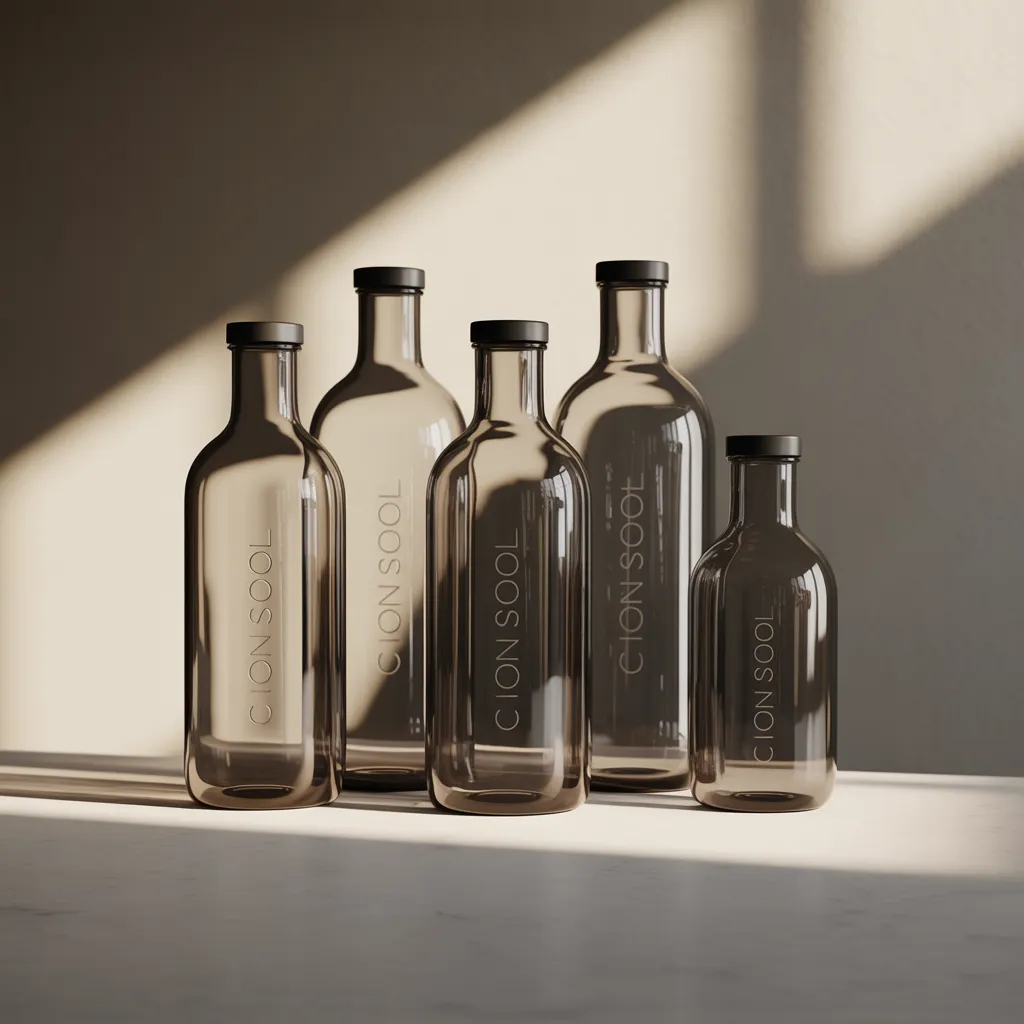
Selecting glass as a packaging material can considerably elevate a brand's reputation and environmental initiatives. Companies that choose glass packaging demonstrate a pledge to superior standards and premium experiences, appealing to discerning consumers who value both visual and practical qualities. Glass provides a enduring and sophisticated look, contributing to a brand's visual identity while delivering a physical interaction that no alternative material can equal.
Moreover, glass containers project an image of freshness and protection, as it is absent of hazardous ingredients typically contained in plastics. This decision can appeal to green-conscious customers who connect glass with ethical choices. Moreover, its durability allows for repeat use, thereby strengthening a brand's commitment to eco-friendly practices.
In an industry placing greater emphasis on ecological responsibility, adopting glass packaging can set a brand apart building lasting loyalty and boosting customer confidence. In the end, this deliberate decision places brands at the forefront of quality and environmental responsibility, reflecting contemporary consumer expectations.
The Eco-Friendly Advantages of Glass Bottles
Glass bottles offer significant sustainability benefits that distinguish them from competing packaging solutions. Glass bottles are fully recyclable, promoting a sustainable economy where materials can be recycled endlessly without loss of quality. This quality considerably decreases the reliance on virgin materials, thus reducing material extraction and energy usage associated with production.
Moreover, glass packaging is chemically stable, meaning it does not leach harmful chemicals into its products, ensuring safer consumption. In contrast to plastic, glass does not add to microplastic pollution, which is a rising environmental problem.
Glass bottle production similarly results in fewer greenhouse gas emissions compared to plastic alternatives. As manufacturing processes have advanced, energy efficiency has improved, thereby reducing the carbon footprint associated with glass production.
Unique Designs That Transform Glass Packaging
Creative designs in glass packaging are reshaping how items are presented. Distinctive forms and designs not only enhance functionality but also capture buyer interest. Moreover, striking color combinations further enhance the visual impact, making glass vessels distinguish themselves in retail spaces.
Remarkable Shapes and Structures
Creative approaches in packaging made from glass not only improve visual attractiveness but also fulfill content an important purpose in establishing brand uniqueness. Original shapes and configurations can craft remarkable experiences for buyers, allowing products to rise above the competition on competitive store shelves. For instance, bottles with asymmetrical shapes or geometric patterns can spark interest and invite engagement. These original shapes often complement a brand's character, reinforcing its message and values. Moreover, distinctive structures can elevate performance, such as easier handling or enhanced pouring. Brands that invest in creative glass designs project a strong focus on superior quality and green practices, drawing in eco-aware buyers. When focusing on distinctiveness in their packaging designs, businesses can build stronger bonds with their customers, thereby boosting brand loyalty and expanding market visibility.
Attention-Grabbing Color Palettes
Dynamic color schemes play an essential role in improving glass container aesthetics, converting standard bottles into captivating visual expressions. By employing a strategic blend of hues, brands can evoke emotions and create memorable experiences for consumers. Striking colors can indicate superior craftsmanship, while softer tones may convey delicacy and sophistication.
Additionally, the use of gradients and multi-toned designs creates depth and visual interest, drawing attention on crowded shelves. Sustainable practices further enhance the appeal; sustainable dyes and finishes appeal to environmentally aware consumers. In the end, the ideal color palette not only reflects a brand's identity but also reinforces its commitment to sustainability, establishing glass packaging as an influential instrument for standing out in a competitive market.
In What Ways Does Glass Packaging Improve Product Perception?
Glass packaging significantly elevates the perception of products via its upscale feel and visual appeal, creating a sense of luxury for consumers. The natural clarity and see-through quality of glass offer consumers an unrestricted look at the product, further reinforcing quality. Additionally, using glass aligns with eco-friendly brand positioning, appealing to environmentally conscious consumers.
Luxurious Feel And Appeal
The incorporation of glass packaging considerably boosts the apparent worth of a product, commonly connecting it with quality and refinement. Consumers frequently associate glass with premium quality, resulting in stronger brand dedication and positive consumer experiences. The physical feel of glass, with its refined surface and heft, contributes to a luxurious sensation that plastic fails to reproduce. This tactile interaction creates a connection between the product and the consumer, cultivating a sense of excellence. Furthermore, glass packaging reflects a focus on sustainability, appealing to environmentally-conscious buyers. Therefore, companies using glass packaging can position themselves as premium options within their markets, attracting discerning customers who value both aesthetics and ethical considerations in their consumer decisions.
Clear Visual Transparency And Precision
When consumers encounter products in glass containers, their experience is commonly improved by the natural visual openness and clearness it offers. This clarity permits interested shoppers to observe the item inside, building a feeling of confidence and genuineness. The transparency of glass not only displays the product's excellence but also emphasizes its hue and texture, boosting aesthetic attractiveness. Furthermore, the lack of label obstructions on transparent glass lets the product become the focal point, generating a more immersive purchasing journey. Glass containers can enhance brand image by communicating a dedication to excellence and artisanship. This see-through quality ultimately guides customer determinations, fostering a stronger sentimental bond with the product and the company.
Eco-Friendly Brand Positioning
Environmentally aware brands employ glass packaging to strengthen their dedication to eco-friendly practices, meaningfully improving the way consumers view their products. Glass conveys a sense of quality and purity, defining a loftier benchmark when measured against plastic counterparts. This substance not only underscores the green values of a brand but also attracts buyers who place importance on sustainable options. The tactile experience of glass—its weight and texture—further elevates the perceived value of the product. Additionally, the recyclability of glass aligns with the growing consumer demand for sustainable practices, cultivating customer loyalty. By opting for glass, brands not only demonstrate their commitment to ecological responsibility but also present their products as top-tier selections, thus building a favorable reputation in a crowded market.
Case Studies of Brands Succeeding With Glass Packaging
A growing number of businesses are flourishing by adopting glass packaging, demonstrating its appeal to consumers and commitment to sustainability. To illustrate, a well-known beverage company made the switch to glass bottles, leading to a 30% rise in sales within a year. The switch not only boosted product visibility on shelves but also resonated with eco-conscious consumers, strengthening the brand's sustainability message.
A different skincare brand effectively transitioned to glass packaging, significantly enhancing its premium image. This change attracted a dedicated clientele who appreciates both visual appeal and eco-conscious practices. Moreover, a specialty beer manufacturer adopted reusable glass growlers, cultivating consumer trust and decreasing environmental impact. These examples demonstrate that glass materials not only fulfill market needs for environmentally responsible choices but also strengthens brand recognition and competitive standing. Such thoughtful selections reflect a growing trend among companies seeking to align their operations with sustainable practices while resonating with contemporary buyers.
How to Overcome Challenges in Glass Packaging
Steering through the difficulties of glass packaging demands innovative strategies and a keen understanding of the market. Businesses often face challenges such as costly production processes, heavy material considerations, and structural vulnerability. To overcome these, brands can implement innovative fabrication processes that reduce waste and enhance durability. Working alongside suppliers to procure environmentally responsible materials also mitigates ecological footprint while attracting eco-aware consumers.
A further difficulty is the logistics of transportation, given glass's weight. Adopting intelligent logistics strategies, encompassing improved shipping methods and efficient packaging solutions, can reduce expenses and ensure product protection while in transit. Moreover, informing customers about the advantages of glass compared to plastic can foster brand loyalty and drive demand. Through adopting these approaches, businesses can overcome obstacles in glass packaging and position themselves as leaders in sustainable practices, ultimately enhancing their brand image and market presence.
Emerging Trends in Sustainable Glass Packaging
As the need for eco-friendly packaging keeps growing, the glass packaging industry is on the brink of significant transformation. Breakthroughs in manufacturing techniques are projected to boost energy efficiency, reducing the carbon footprint associated with glass production. Furthermore, the adoption of lightweight glass bottles will emerge as a key trend, decreasing transportation emissions while maintaining product integrity.
Recycling efforts will continue to strengthen, with enhanced partnerships between producers and local governments to improve glass collection and processing. Additionally, the embedding of advanced technology in packaging solutions will allow for greater transparency in the supply chain, empowering companies to highlight their environmental commitments with impact.
Growing consumer demand for sustainable products will further accelerate the creation of personalized, attractive design solutions, combining utility with striking visual elements. As companies increasingly embrace sustainable practices, the glass packaging market is prepared to reshape its direction, harmonizing with global sustainability targets while fulfilling the needs of an eco-conscious audience.
Questions We Often Receive
What Are the Costs Involved With Glass Packaging as Opposed to Plastic?
Glass packaging commonly involves higher costs due to manufacturing, shipping, and recycling requirements compared to plastic. However, it provides eco-friendly benefits and stronger brand positioning, which can justify the investment for some businesses.
What Are My Options for Customizing Glass Bottles for My Brand?
Businesses are able to personalize glass bottles by using original forms, tones, and surface treatments. Custom labels, engravings, and printed artwork strengthen brand identity. Partnering with suppliers ensures consistency with eco-friendly initiatives while maintaining both appearance and performance.
Are There Particular Rules Governing Glass Packaging?
Indeed, particular regulations for glass packaging are in place, distinct to each region. Such regulations encompass safety standards, labeling requirements, and recycling guidelines, safeguarding consumer safety and environmental responsibility while advancing sustainable practices in packaging manufacturing and distribution.
What Are the Best Practices for Recycling Glass Bottles?
For effective glass bottle recycling, residents should clean them out to eliminate any residue, remove lids, and separate them by color. In addition, they should review community recycling rules for designated drop-off sites to make certain they are processed appropriately.
In What Ways Does Glass Packaging Influence Shipping and Logistics?
Glass packaging significantly impacts shipping operations and logistics by increasing weight and fragility, requiring careful handling and specialized transport solutions. This often leads to increased expenses and more complicated supply chain operations relative to lighter and sturdier material alternatives.